
Key takeaways:
The HVAC industry is experiencing rapid growth in 2026, bringing new challenges and opportunities for businesses of all sizes.
- Market growth and rising demand: The U.S. HVAC systems market is expected to reach $33.9 billion in 2026, driven by stricter efficiency standards, more extreme weather, and both residential and commercial construction booms.
- Industry shifts and new regulations: The transition to A2L refrigerants, like R-454B and R-32, is raising installation costs by around 10% and requiring upgraded training for technicians, with retrofitting existing systems not allowed.
- Labor shortages and changing workforce: Technician shortages remain a top concern, with strong competition for skilled workers. There is increased focus on attracting and developing new talent, including Gen Z, to fill the skills gap.
- Technology and AI adoption: Smart HVAC systems, AI-driven diagnostics, predictive maintenance, and new models like HVAC-as-a-Service are transforming operations and creating new upsell opportunities, with 82% of businesses now using AI in some capacity.
- Competitive landscape and private equity: The industry is consolidating as private equity invests heavily in HVAC, but independents can stay competitive by emphasizing personalized service, recurring revenue, and operational efficiency.
Stay informed on the latest industry insights and practical tips. Sign up for the Jobber Newsletter.
The HVAC industry is changing fast in 2026.
Between new refrigerant rules, rising demand for heat pumps, private equity entering the market, and an ongoing technician shortage, a lot is shifting at once. It’s creating pressure, but it’s also opening the door for growth.
Whether you run a residential HVAC business or manage a commercial HVAC company, staying current on these trends is how you protect your margins, attract the right customers, and build a business that lasts.
Here are the key HVAC industry trends and statistics shaping 2026, along with the game plans you need to act on them.
Jump to:
-
HVAC market trends and growth data
-
The refrigerant transition
-
HVAC pricing trends
-
Customer demand trends
-
Labor trends and technician shortage
-
Residential HVAC market trends
-
Commercial HVAC market trends
-
Private equity and HVAC industry consolidation
-
Latest HVAC technology trends
-
AI adoption in HVAC businesses
-
HVAC marketing trends
-
HVAC software trends and business technology
-
The future of HVAC
2026 HVAC industry statistics at a glance
| Statistic | 2026 Figure | Source |
| U.S. HVAC systems market | $33.9 billion | Grand View Research |
| U.S. HVAC contractors industry size | $159.4 billion | IBISWorld |
| New system installation cost increases due to A2L refrigerants | ~10% more | FacilitiesDive |
| Number of HVAC businesses | 120k | IBISWorld |
| Average HVAC technician salary | $58,782/year | ZipRecruiter |
| The number of businesses that raised prices in the past 12 months | 83% | Jobber 2026 Home Service Trends Report |
| Average profit margin for an HVAC company | 10–20% | Jobber |
| Geothermal heat pump market | $14.5 billion | Fortune Business Insights |
| HVAC businesses using AI | 82% | Jobber 2026 Home Service Trends Report |
| U.S. commercial construction market | $567 billion | Mordor Intelligence |
| HVAC service management software | $1.5 billion | GII Research |
HVAC market trends and growth data for 2026
The HVAC market is in a strong spot, and it’s not slowing down anytime soon. More extreme weather, new construction, older systems breaking down, and tighter efficiency rules are all driving demand.
Here’s the global and U.S. HVAC market growth in 2026:
- The global HVAC systems market is expected to grow to about $278 billion in 2026 and $446 billion by 2033 with a 7% annual growth rate.
- The U.S. HVAC systems market is expected to grow to about $33.9 billion in 2026 and $54 billion by 2033 with a 6.9% annual growth rate.
- The market size of the heating and air-conditioning contractors industry in the U.S is $159.4 billion as of 2026.
- There are about 120k businesses in the heating and air conditioning contractors industry, growing at a rate of 2.6% between 2021 and 2026.
The refrigerant transition: what the R-410A phase-out means for your business
The U.S. EPA (under the AIM Act) aims to cut hydrofluorocarbon (HFC) refrigerant production by 85% by 2036, meaning the refrigerant R-410A will be phased out.
The two primary replacements are R-454B and R-32, both known as A2L refrigerants. These are more environmentally friendly, but they also come with new requirements.
You can still service existing R-410A systems, but only with reclaimed refrigerant once the supply runs out. You also can’t retrofit existing R-410A systems to use either refrigerant, so if a system runs on R-410A, it needs to be replaced—not converted.
Since the transition back in January 2025, new HVAC system installations now cost about 10% more.
Game plan: Notify customers of service changes
Here’s how HVAC contractors can communicate these changes clearly to customers:
- Educate customers about price changes. Let customers know about the new refrigerants and pricing impacts through a price increase letter before they see it on an invoice.
- Highlight the benefits to customers. Explain how upgrading their HVAC units can save them money in the long run, like lowering energy bills or reducing environmental impact.
- Inform and train your team. Keep everyone current on A2L refrigerant handling requirements and ensure technicians are certified to install and service the new systems.
- Offer financing options. To help customers manage rising equipment and installation costs, let them pay in installments through consumer financing.
HVAC pricing trends: costs, margins, and benchmarks
At the end of 2025, inflation had eased to 2.7%, yet high prices kept spending focused on practical, value-oriented services, such as HVAC services.
But from new refrigerants to higher equipment costs, it’s getting more expensive to run your HVAC business. The Jobber 2026 Home Service Trends Report says:
- 83% of HVAC businesses raised prices in the past 12 months.
- 97% feel confident charging for their services,
- The top drivers of price increases are inflation and material costs (68%), labor costs (52%), and pricing pressure (20%)
- Customers choose HVAC providers based on quality (65%), price (56%), and reviews (49%)
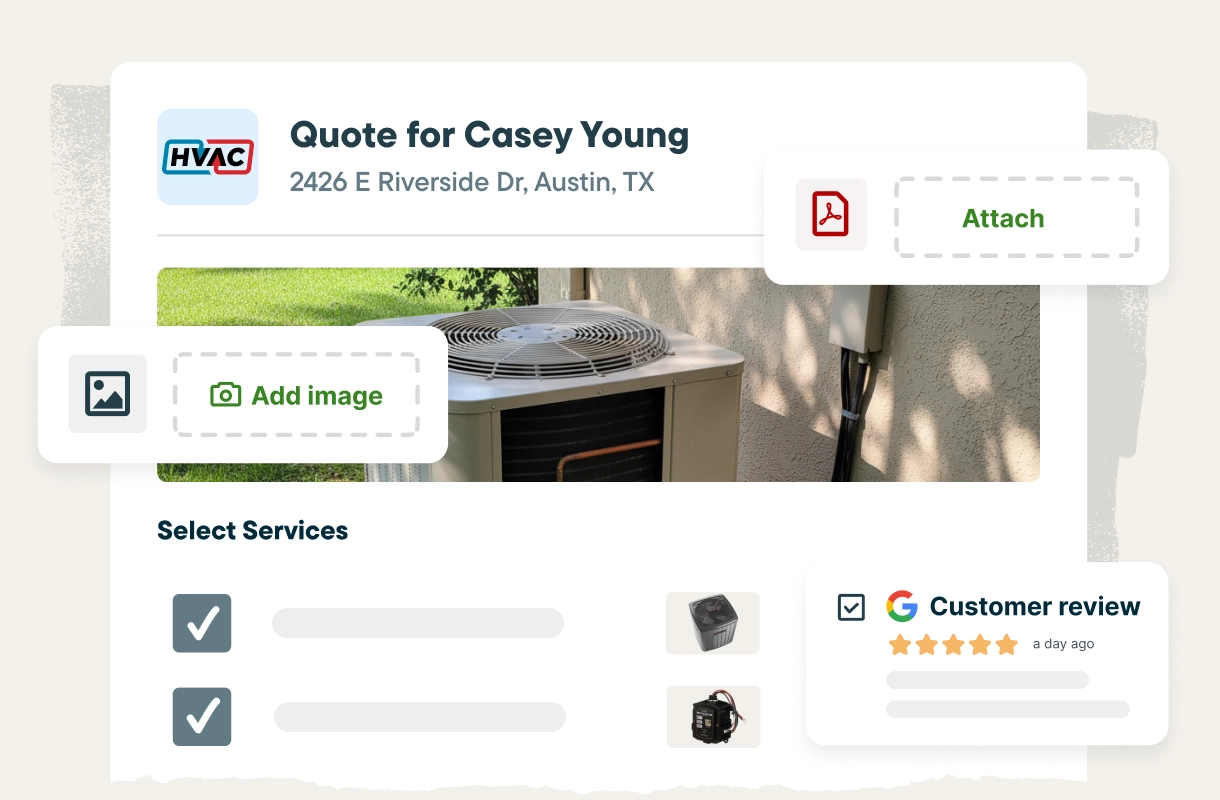
HVAC profit margins
The average profit margin for an HVAC company ranges between 10-20%. Profit margins for HVAC companies usually depend on factors like:
- Location
- Service specialization
- Operational and dispatching efficiency
- Job costing
Don’t be scared to reinvest in your business. And if you can keep your personal expenses down in those early stages of your business, there could be a huge benefit later.

Game plan: Price with confidence
With costs rising across the board, the key to staying profitable is knowing what your work really costs and charging for HVAC jobs with confidence. Follow these tips:
- Know your numbers. Track HVAC parts, labor, overhead, and fuel so every job covers costs and makes a profit.
- Price based on your business, not competitors. Set rates that reflect your actual costs and margins and review them often.
- Show the value behind your price. Help customers see the long-term savings, quality work, and expertise behind your price.
HVAC customer demand trends
A recent Jobber trends survey says many HVAC companies are running close to full capacity:
- 76% report increased demand
- 91% are booked or nearly full
- 73% say job sizes are larger than last year
- 85% expect revenue to grow in 2026
- 64% are bringing in $500K+ annually
That said, challenges remain. The biggest hurdles right now include:
- Weather and seasonality (34%)
- Pricing and margins (28%)
- Competition from other contractors (26%)
- Workforce and labor shortages (21%)
- Material shortages and permit and regulatory issues (both around 20%)
Game plan: Build your 2026 growth strategy
With the HVAC market demand increasing, now’s the perfect time to revisit your business strategy. Focus on pinpointing key growth areas where you can innovate and take advantage of new opportunities to stand out from the competition.
For example, as the industry shifts to newer refrigerants, you can get ahead by training your team and offering system upgrades that meet these new standards. This can help you stay compliant while attracting customers who want more efficient, future-ready HVAC solutions.
HVAC labor trends and technician shortage
Finding skilled workers is one of the biggest challenges in HVAC right now.
More techs are retiring, fewer people are entering the trades, and demand keeps climbing. That gap is putting pressure on business owners to hire, train, and retain great people before their competitors do.
There are more doctors in this country than HVAC technicians. We can’t outsource what you do.

Here’s how the HVAC labor market is holding up in 2026:
- Employment for heating, air conditioning, and refrigeration mechanics and installers is expected to grow 8% through 2034
- The average annual salary for an HVAC Technician in the U.S. is $58,782 a year.
When it comes to who HVAC businesses are actively trying to hire, the Jobber 2026 Home Service Trends Report found:
- 37% of businesses are hiring skilled trade workers
- 21% are looking for technicians
- 18% need installers
- Only 3.3% say they are not currently hiring
I love working as an HVAC technician, I just wish I had tried it sooner.
It’s a great career that will challenge you and reward you with a great feeling of accomplishment and of course, the money isn’t bad.

Game plan: Compete for good HVAC technicians
If you want to grow, you need a plan for your people. Start with the basics:
- A strong HVAC job description
- Fair salary
- Solid employee benefits
- Clear paths for growth.
But don’t stop there. The best techs stay where they feel respected and supported. Think about what makes your business a place someone wants to work long-term. That could be consistent hours, good equipment, paid training, or a team culture where people actually enjoy showing up.
READ MORE: 43 HVAC Interview Questions to Help You Hire the Best Technicians
Gen Z and the future of the blue collar trades
More young people are starting to rethink the “go to college” path, and that’s opening the door for trades like HVAC.
I was 20 when I became a plumber and started Impetus Plumbing & Heating at 23. Today we employ six people and generate more than $1 million in revenue annually.

With AI changing a lot of office jobs, skilled trades are starting to look like a safer, more stable option. Here’s what the Jobber 2025 Blue Collar Report showed:
- 77% of Gen Z want jobs that are hard to automate
- 72% of parents have talked to their kids about how automation could impact careers
- 16% of parents believe a college degree guarantees long-term job security
But even with that shift in thinking, most are still following the traditional path, with 75% of Gen Z planning to attend a four-year college.
Game plan: Consider filling open roles with Gen-Z
If you’re an HVAC business owner looking to grow your team, think about hiring younger talent. They bring fresh ideas and tech-savvy skills that can take your HVAC services to the next level.
And if you’re a Gen Z dreaming of becoming your own boss? Follow these 10 essential steps to start your own HVAC business successfully.
Vocational programs are a great way to get your foot in the door with hands-on experience. My advice is to lean into learning a new skill, do the hard work that’s required, and in the end you become a master at the craft.
Residential HVAC market trends
After dealing with high inflation rates in 2025, the residential market offers plenty of opportunities for HVAC contractors in 2026:
- Spending for home improvements and repairs is expected to reach $518 billion by the end of 2026.
- 19% of homeowners are looking to install a new heating or air conditioning system in 2026
- Zillow projects 4.26 million existing home sales in 2026, showing a strong potential customer base for residential HVAC installations and repairs.
- The home renovation and maintenance sector will grow by 1.6% by the end of 2026.
- HVAC repairs and maintenance in the U.S. typically cost between $250 and $900, with smaller fixes under $200 and major repairs (e.g., compressor replacements) reaching $1,500 or more.
- The aging housing stock means homeowners prioritize upgrades, such as HVAC installations.
Commercial HVAC market trends
The U.S. commercial construction market is expected to reach $567 billion in 2026, growing at a rate of 4.22%.
For commercial HVAC businesses, there’s steady demand, larger projects, and often longer-term HVAC service contracts if you can break into the space.
Remember them [commercial contacts], find out what their interests are, and then you can get into adding value.
Here’s a quick look at where that growth is happening:
| Type of commercial build | Growth rate |
| Data centers (AI, cloud, and high-performance cooling) | +1.3% |
| Warehouses and distribution centers (e-commerce growth) | +0.9% |
| Transit and public infrastructure projects | +0.8% |
| Office retrofits and upgrades | +0.7% |
| Hospitality and mixed-use developments | +0.6% |
| Green and energy-efficient buildings | +0.5% |
Game plan: Choose the right HVAC market for your business
Both residential and commercial work are growing, but the right focus depends on your goals, team, and capacity. Here’s how to decide:
- Look at your cash flow needs. Residential jobs pay faster and keep work steady, but commercial jobs are bigger, and payments can take longer.
- Check your team and skills. Residential work is easier to train for, while commercial jobs often need more experience and certifications.
- Consider your risk tolerance. Residential work spreads risk across many small jobs, and while commercial jobs pay more, losing one can hit harder.
- Think about long-term goals. Want steady, repeat work? Go residential with maintenance plans. Want bigger contracts and fewer clients? Commercial may be the better path.
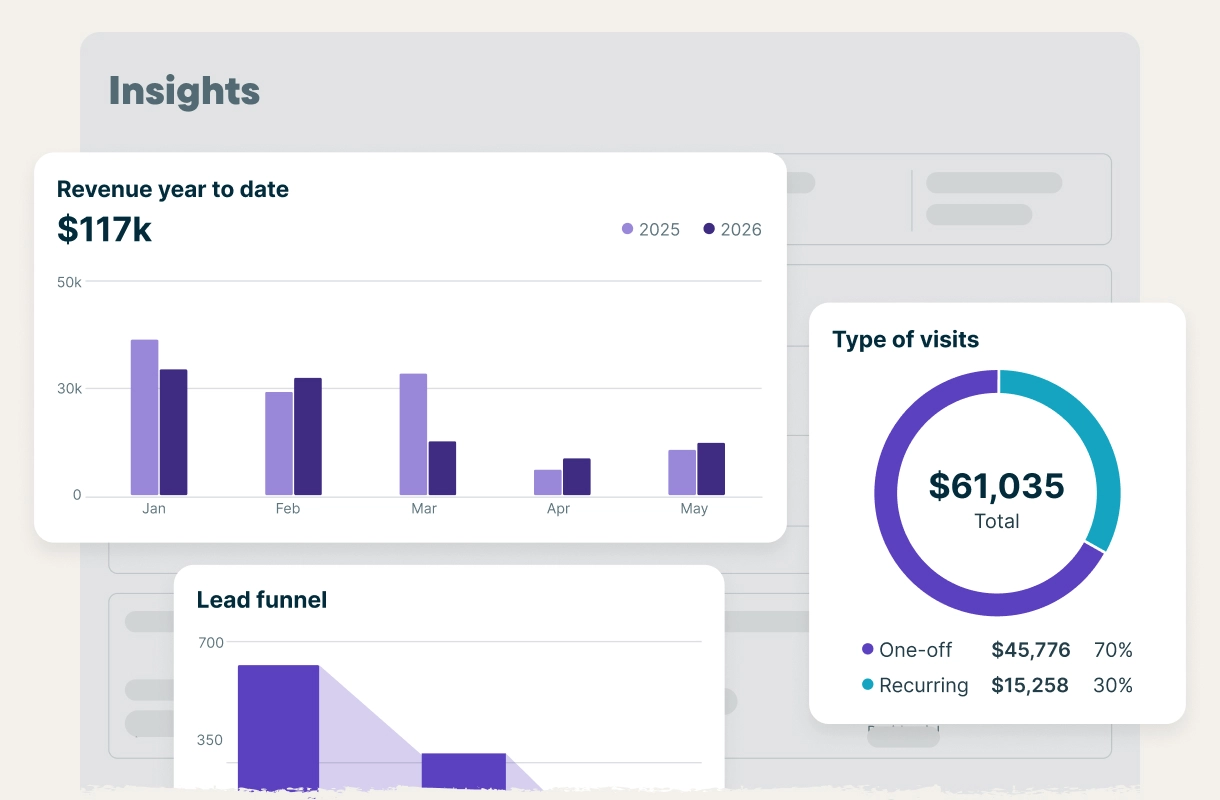
Private equity and HVAC industry consolidation
Private equity is changing the HVAC industry quickly, and it’s already affecting how companies compete. Understanding what is happening and why gives you options for how to respond.
Private equity’s been rolling up HVAC companies.
And what they do is they just inject all their technology and expedite everything. So that customers get the Amazon experience.

Why PE firms are buying HVAC companies
PE firms targeting HVAC service providers rose 88% year-over-year through mid-2025. There’s a reason HVAC is getting so much attention. The industry has:
- Steady demand year after year
- Recurring revenue from maintenance plans
- Lots of small, independent businesses
- No single dominant national brand
That makes it a strong opportunity for HVAC business growth through buyouts. Companies that already have maintenance contracts, multiple services, or operate in more than one area are especially attractive.
What this means for independent businesses
PE-backed platforms have advantages that independent contractors can’t easily match on their own, including:
- Bigger marketing budgets
- Better buying power on equipment
- More resources for hiring and training
- Systems built to manage large teams
Game plan: How to compete as an independent operator
You don’t need to outspend larger companies to win. You just need to lean into what they can’t offer.
Independent businesses have real advantages: closer customer relationships, faster service, and more flexibility. Here’s how to use that to your advantage:
- Focus on customer experience. Show up on time, communicate clearly, and make the process easy. That’s what customers remember and what drives referrals.
- Build recurring revenue. Maintenance plans help you create a steady income and keep your schedule full year-round.
- Find your niche. Whether it’s high-end homes, certain equipment brands, or specific types of jobs, specialization can set you apart.
- Run a tight operation. The more organized and efficient you are, the more work you can handle without adding stress or overhead.
Latest HVAC technology trends for 2026
Technology is reshaping what HVAC contractors can offer and what customers expect. You don’t need to adopt everything at once, but knowing what’s out there helps you stay competitive and spot new ways to grow.
Smart HVAC systems and IoT integration
Smart thermostats and IoT-enabled HVAC systems are now standard in new residential and commercial builds:
- 57% of U.S. consumers are expected to adopt smart home technology, and younger homeowners are driving this demand.
- Smart thermostats can save homeowners up to 8% on utility bills, giving you a concrete selling point when quoting upgrades.
Homeowners who install new systems increasingly choose smart controls that allow remote monitoring, scheduling, and energy tracking. Sensors and remote diagnostics also let HVAC contractors monitor systems in real time, flagging issues before they become emergency calls.
AI-driven diagnostics and predictive maintenance
Predictive maintenance uses AI and machine learning to detect early signs of potential system failures. This helps HVAC businesses reduce emergency service calls, improve first-time fix rates, and offer maintenance contracts backed by real data.
AI diagnostics tools are also becoming a competitive differentiator, especially when competing against larger PE-backed platforms that offer technology as a selling point.
Heat pump adoption
Heat pumps are mainstream in 2026. They heat and cool from a single system and run on electricity. Depending on the building and climate, switching to ground-source heat pumps can cut energy use by about 29% and reduce carbon emissions by 25%.
If you’re not already offering heat pump installation and service, 2026 is a strong year to add it to your menu.
Geothermal heat pumps
A Geothermal heat pump (GHP) uses the ground’s steady temperature to heat and cool a building. The GHP market is expected to reach $14.5 billion in 2026 and $22.6 billion by 2033.
These systems often cost more upfront, but they’re cheaper to run over time. With the right training, you can tap into a smaller but growing group of customers who are willing to invest more upfront to save money in the long run.
Solar-powered air conditioning
Solar-powered AC is picking up momentum as more homeowners look to cut utility bills. These systems use photovoltaic panels to offset cooling costs, and newer hybrid models automatically switch between solar and grid power to keep performance consistent.
For HVAC contractors, it’s a natural upsell conversation, especially during system replacements when customers are already thinking about long-term costs.
Zoned HVAC Systems
HVAC zoning splits a home or building into separate areas, each with its own thermostat and controls.
So instead of heating or cooling the whole property at once, you only condition the spaces that are actually being used. That reduces strain on the equipment, extends its lifespan, and can cut energy use by up to 30%.
For HVAC contractors, zoning is a strong upsell on new installs and a practical upgrade conversation during maintenance visits.
Ductless and VRF systems on the rise
Ductless mini-split and VRF systems are becoming more popular in both new builds and older homes. They’re energy-efficient and don’t need ductwork, which makes them a great option for older buildings, additions, and spaces like garages or basements.
You’ll also see more demand for these systems in multi-unit buildings and commercial spaces. For HVAC businesses, they’re a flexible option to offer, especially when a full duct system isn’t practical.
SEER2 energy efficiency standards
SEER2 (Seasonal Energy Efficiency Ratio 2) is the new way to measure how energy-efficient an HVAC system is. Higher-end systems can reach 20 SEER2, which means they use less energy to do the same job.
HVAC contractors who understand SEER2 standards can use them as a selling point in quotes and customer conversations. It helps them see the difference between repairing an old system or upgrading to a more efficient one that can save money over time.
Indoor air quality (IAQ) solutions
People spend about 90% of their time indoors. Because of that, more homeowners are paying attention to the air they breathe.
The global demand for indoor air quality products like advanced filters, UV-C treatment, air purifiers, and smart air quality monitors is expected to reach $35.6 million by 2030.
For HVAC businesses, this is an easy way to upsell at almost every installation and maintenance visit. When you’re already in a home for an install or maintenance visit, it’s a natural time to recommend air quality upgrades.
HVAC-as-a-Service: a new revenue model
The HVAC-as-a-Service (HVACaas) market size is expected to reach $12.4 billion by 2030. It’s a newer model where customers pay a monthly fee instead of buying a system up front. This fee usually covers equipment, maintenance, and repairs.
For HVAC businesses, it creates more predictable, recurring revenue. While still early for many contractors, this model is gaining traction, especially in commercial buildings where owners are looking to avoid large upfront costs.
Game plan: Pick one or two technology trends to add to your service menu in 2026
If you service colder climate areas, heat pump certification is likely the highest-return investment this year. If you’re in a competitive market, adding IAQ services to every maintenance visit raises your average job value without requiring new customers.
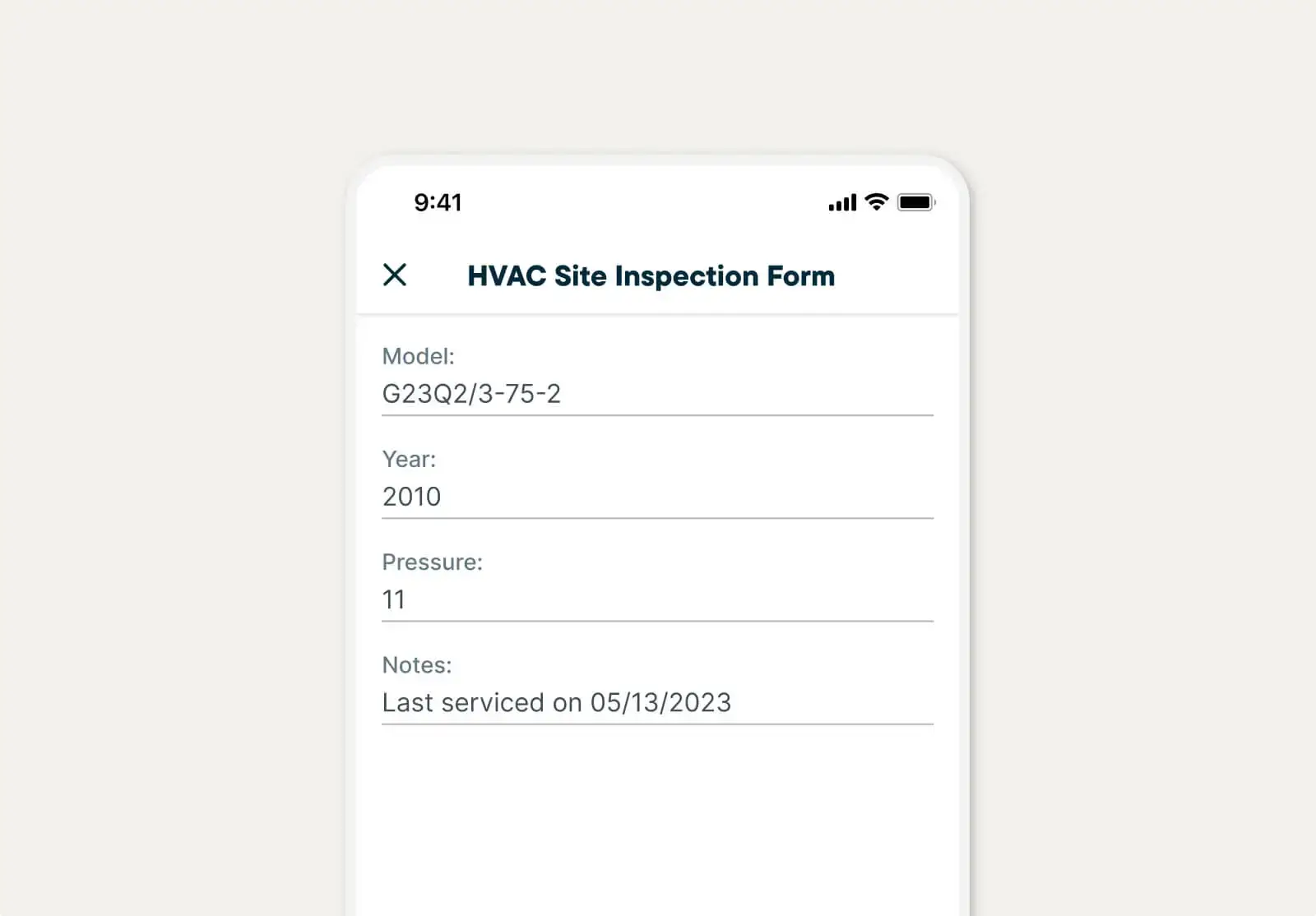
As you grow your services, keep your process simple and consistent. Use HVAC inspection checklists so every tech follows the same steps every time.
AI adoption in HVAC businesses
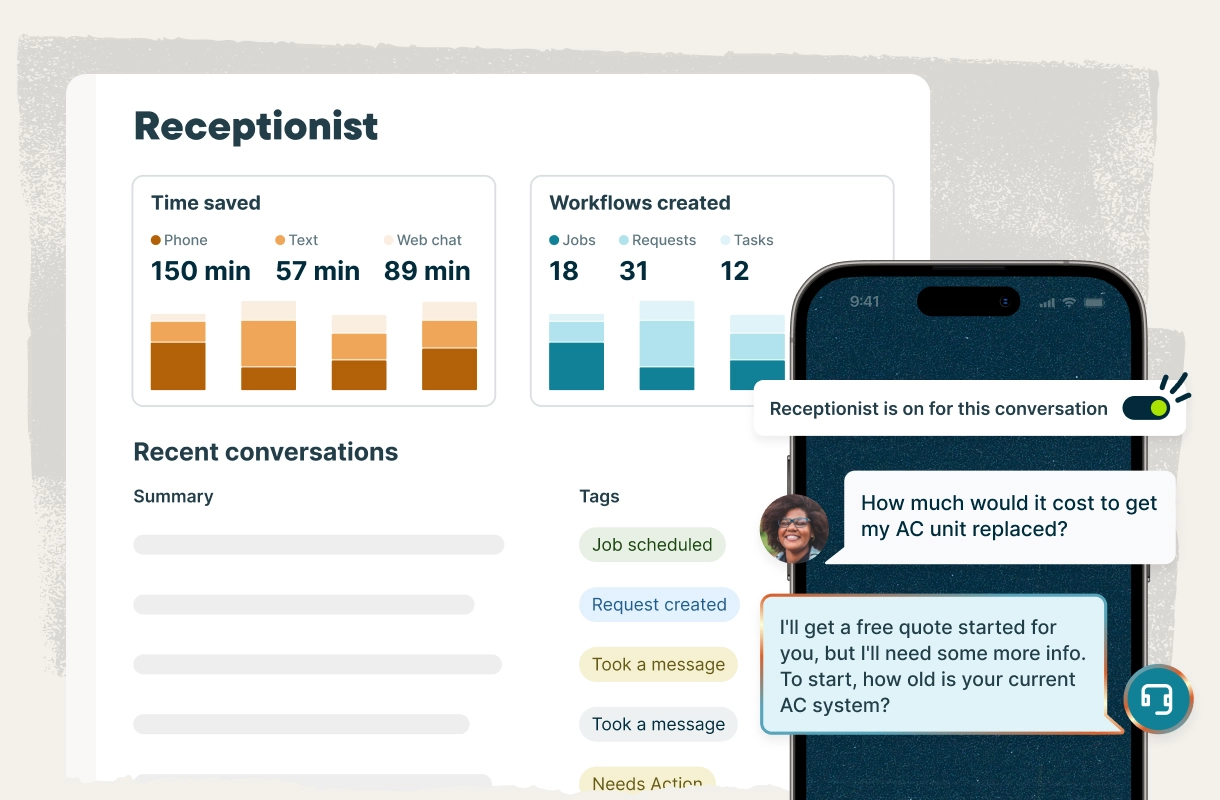
HVAC businesses are adopting AI faster than most trades, as it’s quickly becoming a normal part of running an HVAC business.
According to a recent Jobber trends survey, 82% of HVAC businesses already use AI in some part of their operation. The highest adoption rate of any trade surveyed.
The top uses of AI for HVAC companies are mostly back-office and communication tasks:
- Estimates and quotes (58%)
- Invoices and billing (57%)
- Marketing content (54%)
- Writing HVAC emails and messages (53%)
- Customer communications (48%)
- Scheduling and dispatch (40%)
HVAC businesses say the main benefits they’ve seen are reducing operating costs (23%), cutting down on admin work(21%), and improving customer communications (19%).
HVAC marketing trends for 2026
Getting found and winning jobs is getting more competitive. The Jobber 2026 Home Service Trends Report asked HVAC businesses where their paying customers actually come from:
- 51% said repeat customers are the top source of new business
- Followed by:
- Word-of-mouth referrals (44%)
- Google Search (36%)
- Facebook (28%)
- Lead gen sites like Angi and Thumbtack (26%)
- Networking and community involvement (24%)
- Google Local Services Ads (LSAs) (21%)
The pattern is clear: your existing customer base is your best marketing asset. If you focus on great service, follow-up, and asking for reviews, you’ll get more work without spending more on ads.
If you’re an HVAC, partner with an electrician.
You can offer his services for a discount or, like, promote their services, and then you get referrals from that.

Strong win rates and response time
The 2026 Jobber trends survey results also say HVAC businesses are closing the majority of the jobs they quote:
- 79% win more than half of the quotes they send
- 31% win more than 70% of quotes
Speed plays a direct role in those win rates. Customers are reaching out to multiple contractors at once, and the first business to respond often gets the job:
- 78% respond to new leads the same day
- 17% respond within the first hour
If you’re slow to respond, you’re likely losing jobs, even if your price is better.
Game plan: Upgrade your HVAC marketing strategy with educational content
Make educational content a key part of your HVAC marketing strategy to build customer trust and stand out.
Here are a few tactics you can use:
- Describe the benefits in your service description. If you install energy-efficient HVAC systems, explain how they can lower both utility bills and energy consumption.
- Offer helpful resources on your website. Include links on your HVAC website to government rebate programs for HVAC systems and create blog articles with valuable tips and industry insights.
- Share helpful content on social media. Connect with your audience through tips, facts, and advice. Topics like energy-saving tips or seasonal maintenance reminders can keep your business top-of-mind.
HVAC software trends and business technology
More HVAC businesses are adopting software and HVAC apps to run their operations, and the market is growing to match that demand:
- The HVAC service management software market is estimated at $1.5 billion in 2026 and is expected to reach $6.3 billion by 2035, growing at a rate of 17.3%.
- The online segment for the HVAC systems market is expected to grow at the fastest rate of 7.7% from 2026 to 2033.
The increase in HVAC software is driven largely by digitization and a younger, more tech-savvy customer base. So for HVAC businesses, this means going digital isn’t optional anymore.
READ MORE: Why City Heating and Cooling Relies on Jobber to Impress Customers and Run Smoothly
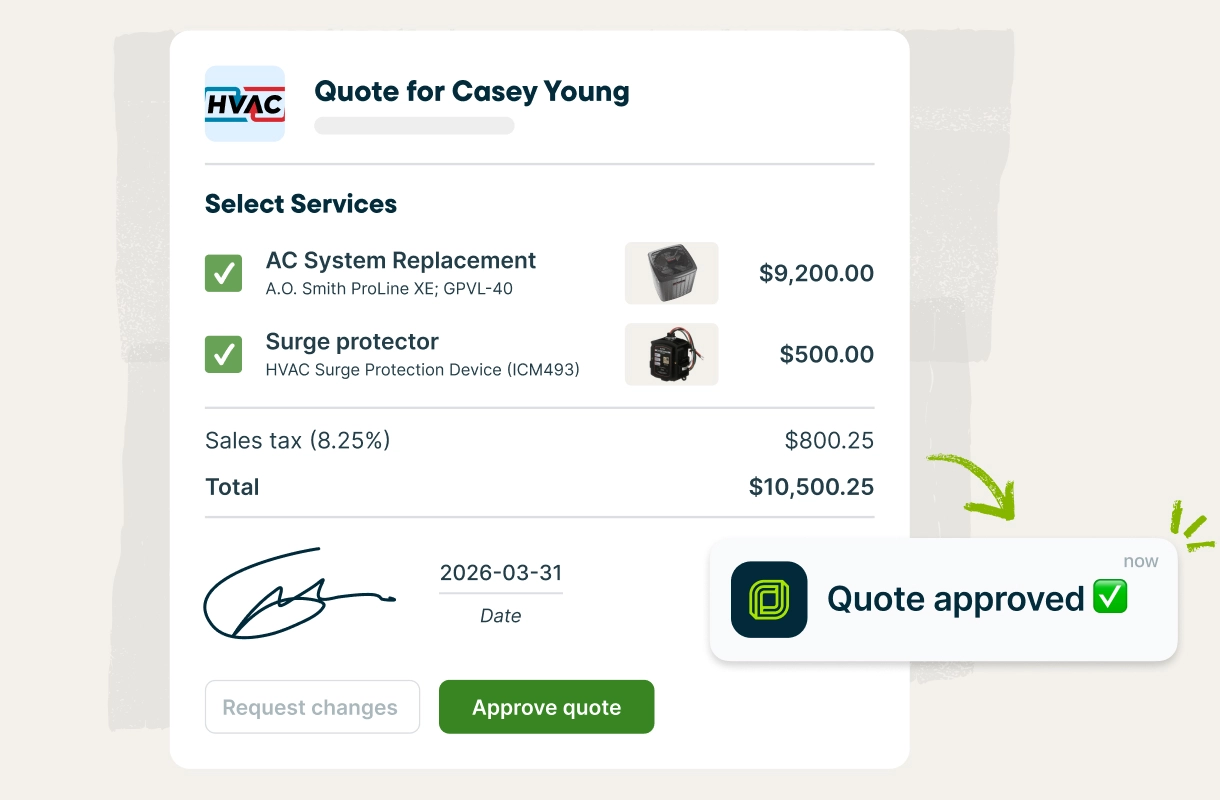
As a young business owner, I have a significant advantage over my competitors because I’ve embraced technology to automate the backend of the business, which allows me to focus on getting jobs done.
The future of HVAC: what’s next
The HVAC industry is growing, and the contractors who win in 2026 are the ones who act on what the data is telling them.
Here’s where to focus in 2026:
- Compete on service, not just price. Customers choose based on trust, speed, and experience. Show up on time, communicate clearly, and follow through.
- Turn one-time jobs into repeat revenue. Maintenance plans keep your schedule full, bring in steady income, and make your business more predictable.
- Offer what customers are asking for. Add services like heat pumps, indoor air quality upgrades, and A2L refrigerant systems. These aren’t “nice to have” anymore, they’re where demand is going.
- Do more with the team you have. Hiring is tough, so focus on efficiency. Tight routes, clear job details, and simple processes help your techs handle more work without burning out.
- Focus on the work that pays. Track your jobs and double down on the services with the best margins, whether it’s residential or commercial work.
- Respond faster and follow up. The first company to reply often wins the job. Quick quotes and consistent follow-ups turn more leads into booked work.
- Build your reputation online. Reviews, referrals, and repeat customers are your best source of new work. Make it easy for happy customers to leave feedback.
- Use tools that save time and keep you organized. Software and AI can handle scheduling, quoting, and customer communication, so you can focus on running the business and closing jobs.
- Stay ahead of industry changes. From new refrigerants to rising efficiency standards, the more you understand what’s changing, the easier it is to guide customers and win their trust.
Originally published in January 2024. Last updated on April 29, 2026.
Frequently Asked Questions
-
The latest 2026 trends in HVAC include:
• The switch to new A2L refrigerants (R-454B and R-32), which adds roughly 10% to new system installation costs
• 83% of HVAC businesses raised prices in the past 12 months, and 97% feel confident charging for their services
• An ongoing technician shortage, with employment expected to grow 8% through 2034
• Growing commercial opportunities in data centers and healthcare facilities
• 19% of homeowners are looking to install a new heating or air conditioning system in 2026
• Private equity consolidation of independent contractors. PE firms targeting HVAC service providers rose 88% year-over-year through mid-2025
• Rising demand for heat pumps, energy-efficient systems, and HVAC-as-a-Service
• Expanded indoor air quality services and SEER2 efficiency standards
• AI adoption across HVAC operations, with 82% of HVAC businesses already using AI
• 51% of HVAC businesses said repeat customers are the top source of new business
• The growth of HVAC service management software, with a current market of $1.5 billion -
No. Prices are not expected to drop in 2026. While inflation eased to 2.7% at the end of 2025, 83% of HVAC businesses raised prices in the past 12 months. New refrigerants, higher equipment costs, and updated efficiency standards are all pushing prices up.
-
The U.S. HVAC systems market is expected to grow to about $33.9 billion in 2026, with demand being driven by:
• Climate change
• Energy efficiency regulations
• New construction
• Aging equipment replacement
Looking ahead, trends like heat pump adoption, smart building integration, solar-powered AC, HVAC-as-a-Service subscription models, and AI-driven diagnostics will continue to shape how heating and cooling companies run. -
The global HVAC systems market is expected to grow to about $278 billion in 2026 and $446 billion by 2033. On the other hand, the U.S. HVAC systems market is expected to grow to about $33.9 billion in 2026 and $54 billion by 2033 with a 6.9% annual growth rate.
As of 2026, there are about 120k businesses in the heating and air conditioning contractors industry. -
The HVAC industry is growing globally and in the U.S., both expected to grow at a rate of 7% per year. On top of that, employment for HVAC professionals is expected to grow 8% through 2034, faster than the average for all occupations.
The growing HVAC industry is mainly because of:
• Climate change
• New residential and commercial construction
• Energy efficiency regulations
• The refrigerant transition