
Choosing the best plumbing tools can be overwhelming—whether you’re an apprentice building your first toolbag, a journeyman upgrading your van, or a master technician starting your own plumbing business.
Hoping to save some time? We’ve done the legwork for you. In this article, you’ll find the best plumbing tools and what to use them for.
For extra help, download a free plumbing tool checklist to keep track of what you’ve purchased and what you still need.
5 must-have plumbing tools
Pressed for time? Here are the top 5 must-have tools every plumber needs in their toolkit.
| Tool | Best for | Price |
|---|---|---|
| Jobber | Plumbing business management | Starting at $29 per user per month |
| Pipe cutters | Alternative to a hacksaw | $12-$75 |
| Pipe wrench | Loosening or tightening pipe fittings | $10-$60 |
| Plunger | Cleaning drains and toilets | $5-$20 |
| Auger | Clearing stubborn clogs | $80-$700 |
Pipework tools
Plumbers on the job need to install, repair, and replace different types of piping to fix leaks or clogs. To make sure you’re well-equipped for the task, budget anywhere from $158–$1,200 for these pipework tools:
1. Pipe cutters
Used by plumbers for quick, clean, and professional slices or cuts, a pipe cutter is a convenient alternative to a hacksaw.
The price of pipe cutters depends on the material they’re made to cut, but generally, the prices are:
- Plastic: $12-$50
- Copper: $15-$60
- Steel: $25-$75
Where to buy:
- Amazon (EZARC copper cutter)
- Faucet Depot (Automatic cutter)
2. Hacksaw and junior hacksaw
Hacksaws are manual tools used to cut through plumbing pipes, nuts, bolts, and various other metals. Junior hacksaws are smaller versions that are useful for cutting pipes in small spaces.
The price of hacksaws range from $5-$35.
Where to buy:
- Amazon (High-end hacksaw set)
- Home Depot (Klein high tension hacksaw)
3. Hole saw kit
Hole saw kits are cylindrical-shaped blades that attach to your power tool to cut perfectly round holes. Use them to cut holes of larger diameters where you can run pipework and wiring or install drainage pipes.
The price of hole saw kits range from $40-$200.
Where to buy:
- Amazon (Hole saw set with case)
- Grainger (Milwaukee professional hole saw set)
4. Thread sealing tape
Also known as plumbers tape, thread sealing tape is a sealant for threaded pipe joints that don’t have a built-in rubber seal. It also acts as a lubricant for easier disassembly.
Thread sealing tape ranges from $1-$12 per roll.
Where to buy:
- Amazon (Votmell sealing rolls, 4-pack)
- ULINE (Plumber’s sealing tape)
5. Press fitting systems
Used to secure a connection onto a pipe by pressing a seal, press fitting systems are a quick way for plumbers to seal a connection without welding or soldering.
Press fitting systems can be as low as $25 and as much as $3,000. The wide price range reflects the difference in individual press pieces versus an entire press fitting system, which is much more expensive.
Where to buy:
- Amazon (Press fitting and crimping tool)
- Home Depot (Milwaukee lithium-ion press and tubing kit)
Plumbing wrenches
Keep a diverse set of wrenches so you’re prepared to tighten, loosen, and screw all kinds of pipe fittings. Expect to spend $60–$195 on these wrenches:
6. Pipe wrench
You’ll use a pipe wrench on almost every job to loosen or tighten pipes and fittings. This type of wrench has a toothed jaw that grips the pipe or fitting, making it easier for plumbers to move. Common sizes you may need include 8”, 10”, 12”, 14”, and 18”.
Pipe wrench prices range from $10-$60.
Where to buy:
- Amazon (Duratech 8-inch)
- Home Depot (Milwaukee 14-inch)
7. Basin wrench
Also called a sink wrench, a basin wrench is used to turn fasteners in tight spaces that are hard to access with a traditional wrench. You’ll usually use them underneath sinks to disconnect faucets.
Basin wrench prices range from $15-$50.
Where to buy:
- Amazon (Duratech 11-inch)
- Home Depot (Husky, quick release)
8. Faucet seat wrench
This L-shaped wrench is used to replace valve seats on sink and tub faucets. They usually range from $5-$30 in price.
Where to buy:
- Amazon (Superior Tool, stepped and tapered)
- Home Depot (Husky, 6-step wrench)
9. Adjustable wrench
With its movable jaw, an adjustable wrench lets you torque nuts and bolts of various sizes. These wrenches usually range from $15-$45.
Where to buy:
- Amazon (Adjustable 3-pack with grips)
- Home Depot (Metal, 3 sizes)
10. Faucet key
Also known as sillcock keys, faucet keys are used to open and close outdoor water spigots on commercial and industrial buildings.
Faucet keys prices range from $5-$10.
Where to buy:
- Amazon (Danco Cache, 4 sizes)
- Ace Hardware (Natural aerator removers)
Tools for clogged drains
Clogged drains in sinks, toilets, and showers are among the most common plumbing issues for homeowners.
To quickly and effectively clear clogs for your clients, look for these tools—and budget $145–$465 (depending on the complexity of your plumbing jobs):
11. Plungers
Have a few different plungers handy, depending on the type of drain you’re clearing. The three different kinds of plungers are a cup plunger, flange plunger, and accordion plunger.
A cup plunger has a simple rubber cup for flat surfaces like sinks or tubs. A flange plunger has an extended rubber lip that fits into toilet drains for a tighter seal. An accordion plunger uses a rigid, ribbed design to generate extra pressure specifically for toilets.
Plungers typically range from $5- $20.
Where to buy:
- ULINE (Industrial plunger)
- Amazon (Accordion style plunger)
12. Plumber’s snake
When a plunger can’t clear the blockage, drain snakes are used to break through the clog. Motorized drain snakes are particularly helpful for more stubborn clogs because they have more power to push through the blockage.
Plumber snake prices range from $5-$25.
Where to buy:
- Amazon (Basic clog remover snake)
- Ace Hardware (Short Cobra hair snake for drains)
13. Motorized drain auger
Motorized drain augers work similar to drain snakes, but with wider and longer hoses that can clear clogs in bigger pipes like a toilet or shower.
Motorized drain auger prices range from $80-$700.
Where to buy:
- Amazon (Populo 20V cordless drain auger)
- Ace Hardware (Cobra 75-ft. auger)
14. Drain inspection camera
Also called borescopes, drain inspection cameras are used to view the inside of a pipe or drain and identify what and where the blockage is.
Drain inspection cameras range from $200-$2,000. The more elaborate the camera (and the types of drains it can see), the more you can expect to invest.
Where to buy:
- Home Depot (Milwaukee lithium-ion)
- VEVOR (Pipe and sewer inspection camera)
Plumbing power tools and specialty tools
If you’ve achieved your plumbing certification, you may find yourself needing specialty and power tools to tackle bigger and more complicated plumbing projects.
Expect to invest and spend a bit more in this category. To start, you might spend between $3,625 and $7,000+ for these specialty tools:
15. Soldering torch
Also known as plumber’s torches, soldering torches are used to heat frozen pipes or rusted nuts and to solder copper pipes. Soldering torch prices range from $25-$65.
Where to buy:
- Home Depot (Bernzomatic DuraCast 4000)
- Amazon (Propane Torch Head)
16. PEX plumbing tool kit
Keep a full range of tools that are designed specifically for PEX (cross-linked polyethylene) piping systems, including a crimping tool, a tubing cutter and a de-crimping tool.
A PEX plumbing tool kit typically ranges from $50-$500.
Where to buy:
- Home Depot (Apollo multi-head kit)
- Amazon (Budget-friendly PEX and iCrimp kit)
17. Cordless power drill and drill bits
Cordless power drills come in handy for all kinds of plumbing work, and plumbers use drill attachments like hole saws and drain snakes.
Cordless power drill prices range from $100-$200.
Where to buy:
18. Hydro jetting machine ($3,000–$6,000)
Use hydro jetting machines to clear grease, sludge, and soap clogged in sewer lines. These machines use high-pressure water to unblock debris.
Hydro jetting machine prices range from $3,000-$6,000. While the price is steep, the price may be worth it to clear stubborn clogs and buildup without damaging pipes.
Where to buy:
- Tool Experts (Sewer jetter machine)
- Home Depot (Commercial grade jet machine)
Basic plumbing hand tools
Hand tools are simple items for making each job easier. If you’re just starting your plumbing business or an apprenticeship, purchase a few of these basics. Budget $45–$120 if you’re buying all of them new.
19. Flashlight and headlamps
You’ll need a source of light when working under counters or behind walls. Opt for a headlight when you’re working in the dark for longer periods of time.
Flashlights and headlamps typically cost $15-$35.
Where to buy:
- Amazon (LHKNL Headlamp Flashlight)
- Home Depot (Huksy 1,000 Lumens)
20. Screwdriver set
Useful for installing or changing plumbing fixtures, make sure to keep a complete screwdriver set in your tool bag.
Screwdriver sets range from $10-$30.
Where to buy:
- Amazon (Budget-friendly rotation, 6-pieces)
- Home Depot (DEWALT Phillips 10-piece set)
21. Stubby screwdriver ($5–$10)
These small screwdrivers are lifesavers when you’re working in hard-to-reach places. The short handle allows you to easily loosen or tighten screws in cramped spaces.
Stubby screwdrivers range from $10-$20.
Where to buy:
- Amazon (Stanley, slotted 6-bit screwdriver)
- Home Depot (8-in-1 Multi-Bit Adjustable Length Stubby Screwdriver)
22. Pliers or plier set
When nuts or bolts are too small for a wrench to loosen, plumbers use pliers to tighten and loosen them.
Pliers typically range from $15-$45.
Where to buy:
- Amazon (Black+Decker 4-piece set)
- Home Depot (Husky locking pliers, all metal)
Safety tools and supplies
Maintaining a safe work environment for you and your client relies on investing in the right plumbing safety tools and supplies for the job. Pick up these safety supplies and make sure you’re using them properly.
Budget $55–$125 if you’re buying all of them new. Keep in mind that many of these will have to be purchased on a recurring basis. Buy in bulk where possible.
23. Gloves
Pick a heavy-duty work glove to protect your hands from hot elements or sharp surfaces. Plumbing gloves also help you easily grip wet and slippery items on the job.
Expect to spend between $7-$25 for gloves.
Where to buy:
- Galeton (Otterback XC Nitrile coated gloves)
- Amazon (General utility gloves)
24. Knee pads
Pipework and other plumbing tasks can keep you on your knees for long periods. Knee pads help soften the pressure and save you from serious joint issues down the road.
Knee pad prices range from $20-$40.
Where to buy:
- Amazon (Thunderbolt construction knee pads)
- Home Depot (Professional pads with heavy duty foam)
25. Heat shields ($15–$35)
When soldering in small or confined spaces, heat shields protect you and your client’s property from potential heat or fire damage.
Heat shields range from $15-$35.
Where to buy:
- Home Depot (Hands-free solder heat shield)
- Amazon (Newtex High-Temperature Resistant Fiberglass Pad)
26. Goggles
Whether you’re soldering a pipe or snaking a drain, safety goggles are a must-have to protect your eyes from flying debris and chemicals.
Safety goggles range from $10-$25.
Where to buy:
- Amazon (Anti-fog eye protection)
- ULINE (Deluxe wraparound frames)
Digital tools to run a more efficient plumbing business
For your business to be a success, you’ll need more than just plumbing hardware. From plumbing apps to calculators, invest in these digital tools to make the everyday work of running your business smoother.
27. Plumbing business management software
Plumbing business management software helps you organize and manage your plumbing jobs and customers from the office and the job site.
There are a variety of plumbing software options out there to try, but a field management software solution such as Jobber can serve as an all-in-one solution for your business.
Jobber is the best plumbing app for sending quotes, scheduling jobs, getting paid, and more.
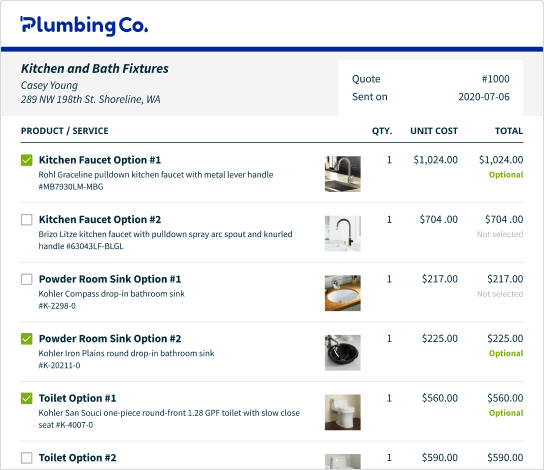
Use Jobber to create, send, and track professional looking quotes that your customer can approve online. Add optional line items, such as product upgrades, to make the most out of every job.
You can also easily schedule jobs and assign your plumbers to emergency jobs with a drag-and-drop calendar. Use Jobber’s route optimization to create the most efficient routes and cover more jobs in a day.
Make payments easy for you and your customer by offering digital payment options, including online options and tap to pay for speedy payment.
Here’s what else you can do with Jobber as your plumbing service software:
- Let customers book your services online, directly into your calendar
- Create and send plumbing estimates and invoices
- Track client details and job history with a CRM for plumbers
- Schedule and dispatch plumbing technicians with a couple of clicks
- Automate appointment reminders and client follow-ups
- Collect payments in-person or online
- Create a plumbing website to describe your services and show off your great work
Before using Jobber, we had multiple systems for multiple tasks for the business.
Jobber integrated everything into one system so that we can seamlessly do all of our quotes, billing, and more.
Check out Jobber’s website for pricing.
28. Plumbing calculator apps
Speed up your on-the-job calculations with a few handy plumbing apps on your phone or tablet.
Start with Jobber’s free pipe volume calculator to quickly and accurately calculate the volume of a pipe and estimate the weight of the fluid it contains.
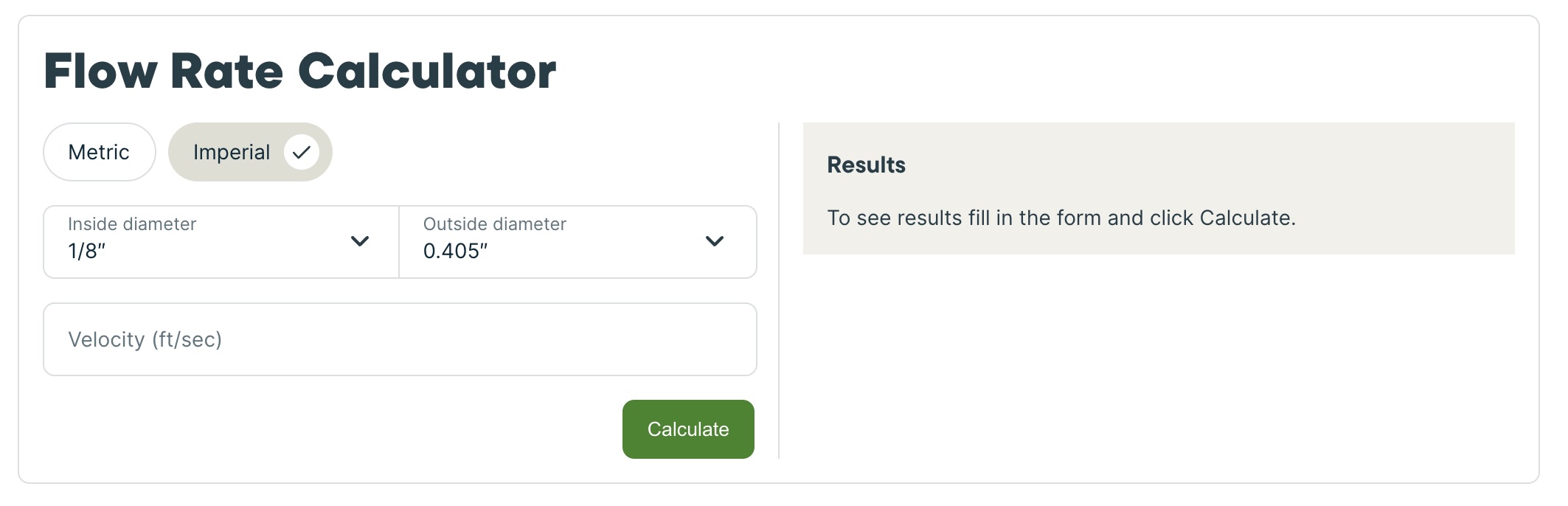
You can also use Jobber’s flow rate calculator app when you need to quickly calculate the speed of water running through a pipe.
Many of these apps are free to download but have in-app purchases for ad-free experiences or extended use.
29. Accounting software
Plumbing business owners need accounting software to balance their books, track inventory, pay salaries, and make sure their business is turning a profit.
QuickBooks Online is the best accounting software for plumbing businesses of all sizes that need to manage their accounting and bookkeeping better.
Use QuickBooks Online to track income and expenses, financial reports, payroll, accounts receivable, and accounts payable.
Pro Tip: Use Jobber’s Quickbooks integration to keep your data up to date and eliminate double entry between your invoicing software and accounting software.
| Product name | Price range | Where to buy |
|---|---|---|
| Soldering wire | $5-$25 | Home Depot (Harris Products lead-free wire) |
| Soldering paste | $5-$20 | Amazon (SRA Solder 135 Rosin paste) |
| Washers and O-rings | $2-$20 | • Home Depot (Everbilt home rubber washer kit) • Home Depot (O-Ring kit for pressure washing) |
| Batteries (AA, AAA, 9V) | $5-$20 | Amazon (Battery value super pack) |
| Screws | $3-$30 | Lowe’s (Grip-Rite assorted screws) |
| Butterfly anchors | $5-$25 | Walmart (50-piece expansion, butterfly anchors) |
| Duct tape | $3-$15 | • Amazon (5-pack, heavy duty) • Lowe’s (Gorilla black duct tape) |
| Sandpaper | $3-$20 | • Amazon (Fandeli, multipurpose sandpaper pack) • Lowe’s (Craftsman, aluminum oxide) |
| Bucket | $2-$25 | Lowe’s (5 gallon, general purpose) |
| Silicon grease | $4-$20 | • Lowe’s (Danco faucet grease) • Amazon (Plumber silicon lubricant with applicator brush) |
| Replacement hacksaw blades | $2-$15 | • Home Depot (Replacement 12-inch blades) • ULINE (Milwaukee Tools assorted blades) |
How to choose the best plumbing tools for your business
Selecting the right plumbing tools for your business is about balancing quality, durability, and cost-efficiency.
Start by considering material and construction—for best results, look for tools made from high-grade steel, brass, or durable composites that can withstand frequent use and resist corrosion.
Durability is key: investing in tools that last reduces downtime, replacement costs, and the risk of failure on the job. Brand reputation can also matter; established brands often offer better warranties, consistent quality, and readily available replacement parts.
Beyond materials and brand, consider ergonomics and ease of use—comfortable grips, proper weight, and efficient design improve productivity and reduce strain during long jobs.
Lastly, think about your specific business needs: the type of plumbing work you do most often should guide which tools are essential, while less frequently used specialty tools can be rented.
This list covers everything you need for maintenance work, emergency calls, and everything in between, the best move is to stock up on the essentials.
With the basics, you can easily tackle your first few jobs. As your plumbing business grows, make bigger purchases to serve more customers and earn higher profits. Who knows, you may even have to consider expanding your team (and we’ve got a great post on writing a job description for that).
Originally published in October 2024. Last updated on November 21st, 2025.
Frequently Asked Questions
-
For beginners, start with a few key tools that handle most basic plumbing tasks:
• Pipe wrenches: or tightening and loosening fittings
• Plunger: to clear common clogs
• Plumber’s tape: to seal threaded joints
• Basin wrench: for hard-to-reach sink nuts
• Pipe cutter or hacksaw: to cut pipes cleanly
These essentials are enough for simple repairs and installations. You can add more specialized tools as your skills grow, such as plumbing management software to help you run your business. -
Most of the plumbing tools you’ll need to start off can be bought on Amazon or HomeDepot.com.
If you don’t want to order all of your tools online, you can also check your local hardware stores for plumbing tools. -
For most plumbing jobs, a cordless drill with variable speed and high torque is best—it’s portable and powerful enough for wood, metal, and plastic.
Use twist drill bits for general drilling. For plastic pipes, step bits help create smooth, accurate holes. Always match your bit type to the material and drill at controlled speeds to avoid damage. -
You should use a mix of tools to assess a plumbing system’s condition, including:
• Inspection cameras (borescopes): To look inside pipes, drains, and walls for blockages or leaks
• Water pressure gauge: To test system pressure and detect irregularities
• Moisture meter: To identify hidden leaks behind walls or under floors
• Pipe wrench: For tightening or loosening fittings during inspection or minor fixes
• Drain snake or auger: To test drain flow and identify blockages -
It’s usually best to buy plumbing tools that you’ll use often—like wrenches, pipe cutters, or inspection cameras—since they’re reliable long-term investments.
However, renting specialty tools such as pipe threaders, drain machines, or press tools makes more sense for occasional or one-time jobs. Plus, renting helps you save on storage, maintenance, and upfront costs while still accessing professional-grade equipment when needed.